

Real Estate Statistics
| Average Price | $339K |
|---|---|
| Lowest Price | $150K |
| Highest Price | $900K |
| Total Listings | 95 |
| Avg. Days On Market | 55 |
| Avg. Price/SQFT | $159 |
Listing Status (active listings)
Search Bryant Real Estate Listings
- All Listings
- $100,000 - $200,000
- $200,000 - $300,000
- $300,000 - $400,000
- $400,000 - $500,000
- $500,000 - $600,000
- $600,000 - $700,000
- $800,000 - $900,000

Living in Bryant, Arkansas
A convenient Saline County suburb with schools, parks, neighborhoods, and quick access to Little Rock
Bryant, Arkansas is one of the most popular suburban cities in the Little Rock metro, and it is not hard to see why. It sits along I-30 between Little Rock and Benton, giving residents quick access to the capital city while still offering the everyday convenience of a self-contained Saline County community.
For many people comparing places to live in Central Arkansas, Bryant makes the short list because it is easy to understand. You have strong access to schools, parks, grocery stores, restaurants, medical care, shopping, and commuter routes without feeling too far removed from the rest of the metro. It is not a small rural town, and it is not trying to be Little Rock. Bryant has grown into its own kind of place: practical, suburban, active, and steadily expanding.
Bryant’s growth has been shaped heavily by its location. Interstate 30 helped turn the city into a commuter-friendly community, and the population has grown significantly over the past few decades. According to the Encyclopedia of Arkansas, Bryant grew from 5,269 residents in 1990 to 20,663 by the 2020 Census. That growth shows up in the city’s neighborhoods, retail centers, school facilities, parks, and ongoing development.
What Bryant is known for
Bryant is best known for convenience, schools, sports, parks, and access. It is one of those Central Arkansas cities where daily life can be pretty efficient. You can run errands, get to school activities, grab dinner, visit the park, and hop on the interstate without needing to plan your whole day around a long drive.
The city also has a strong residential identity. Bryant has older established neighborhoods, newer subdivisions, new construction, larger homes near Hurricane Lake, and more traditional brick homes tucked throughout the city. Some areas feel busier and more connected to retail corridors, while others feel quieter and more neighborhood-focused.
That variety is one of Bryant’s strengths. It gives buyers several different ways to live in the same city.
The local feel
Bryant feels polished but still very local. You will find national retailers and chain restaurants, but you will also find local spots, school events, church activities, youth sports, seasonal festivals, and long-time Saline County residents who have watched the city grow from a much smaller place into one of the more recognizable suburbs in Central Arkansas.
The rhythm of Bryant is practical. Weekday mornings often revolve around school traffic and commuters heading toward Little Rock, Benton, or other parts of the metro. Afternoons and evenings bring ball practices, errands, gym time, dinner out, and neighborhood routines. Weekends might mean a tournament at Bishop Park, a visit to Mills Park, shopping around Alcoa Road, or a short drive into Benton or Little Rock.
It is not the flashiest city in Central Arkansas, but that is part of the appeal. Bryant works well for people who want a convenient home base with good access to the rest of the region.
Location and commute
Bryant sits in Saline County, southwest of Little Rock and just east of Benton. Its position along I-30 is one of the biggest reasons the city has grown the way it has.
From Bryant, you can generally reach downtown Little Rock, West Little Rock, Benton, and North Little Rock without feeling disconnected from the metro. Commute times will depend heavily on traffic, time of day, and the exact part of Bryant you live in, but the city’s location makes it one of the more practical options for people who need access to both Saline County and Pulaski County.
The major corridors to know are I-30, Reynolds Road, Highway 5, Alcoa Road, Springhill Road, and Highway 183. If you are looking at homes in Bryant, it is worth paying attention to which side of town you are on. A home near Alcoa Road may feel very different from a home tucked deeper into a subdivision or closer to Springhill.
Parks, recreation, and outdoor access
Bryant has more recreation access than many people realize. The city’s park system includes Alcoa 40, Ashley Park, Bishop Park, Midland Park, Mills Park, and Springhill Park, along with facilities like The Center, the Aquatic Center, Splash Pad, and Mills Park Pool.
Bishop Park is one of the city’s main activity hubs. It includes indoor and outdoor recreation space and is home to The Center at Bishop Park, the Aquatic Center, and the Splash Pad. It is also a frequent gathering place for city events, sports, and community activities.
Mills Park is another major Bryant landmark. It has long been one of the city’s most used parks, and the city describes it as one of Bryant’s primary recreation destinations. It includes multiple activity areas, pickleball courts, and Mills Park Pool. The Mills Park Natural Area is also notable because it preserves a small urban natural area with wooded seeps that reflect the type of forested landscape that once covered more of this part of Arkansas.
For people who want lake access, Hurricane Lake is one of the most recognizable residential areas in Bryant. Lake Norrell is also nearby, giving residents another option for fishing, kayaking, and time on the water. Bryant is not a lake town in the same way some Arkansas destinations are, but access to water and outdoor recreation is part of the broader Saline County lifestyle.
Schools in Bryant
Bryant Public Schools are a major reason many buyers search in this area. The district serves more than 9,600 students across twelve schools, according to the district’s official overview. Bryant High School is one of the largest high schools in the state, and the district is often part of the conversation when people compare communities in Saline County.
For relocation buyers, the important thing is to verify school zoning for any specific address. Bryant has multiple elementary schools, and school assignments can vary by location. Before making a decision based on a preferred school, it is worth checking directly with the district and confirming the current zoning information.
There are also private and alternative education options in and around the Bryant, Benton, and Little Rock areas, depending on what a household is looking for. The best approach is to compare commute, curriculum, extracurriculars, and school fit alongside the home search rather than treating school choice as a separate decision.
Shopping, restaurants, and everyday convenience
One of Bryant’s biggest strengths is how easy it is to handle everyday life close to home. The Alcoa Road and I-30 area is one of the city’s most important retail corridors. Alcoa Crossings is a major shopping center in Bryant, and commercial listings describe it as a premier shopping destination at the intersection of I-30 and Alcoa Road.
That area gives Bryant residents quick access to grocery shopping, big-box retail, restaurants, coffee, services, and other daily needs. Reynolds Road and Highway 5 also have a steady mix of restaurants, small businesses, banks, medical offices, and local services.
Bryant’s food scene is not as large as Little Rock’s, but it has developed a stronger local identity over time. Copper Mule Table & Tap on Main Street brings Southern and Cajun-inspired food with craft cocktails. Burks Brothers Brewing adds a local brewery and taproom to the city. You will also find casual dining, coffee, fast food, and quick-service restaurants throughout the main corridors.
One of the benefits of Bryant is that you are not limited to Bryant. Benton is just next door, Little Rock is an easy drive, and West Little Rock gives you another layer of restaurants, shopping, and entertainment within a reasonable distance.
Community events and local life
Bryant has a strong community calendar, with school events, sports, local fundraisers, chamber events, and seasonal activities throughout the year.
Fall Fest is one of the city’s signature events. Hosted through the Bryant Chamber, the event brings together local businesses, school groups, community organizations, food, crafts, live entertainment, and activities. It is the kind of event that gives people a better feel for Bryant beyond traffic counts and subdivision names.
Community life in Bryant is often tied to schools, parks, local businesses, churches, youth sports, and neighborhood activity. If you are moving from out of state or from another part of Arkansas, those are usually the easiest entry points into the community.
Housing in Bryant
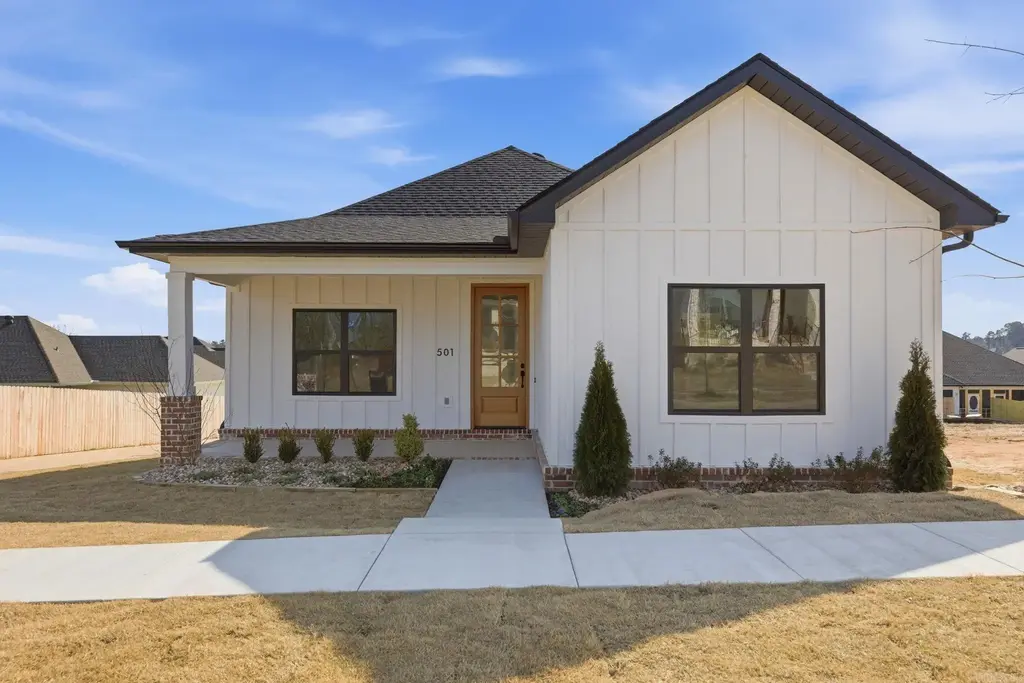
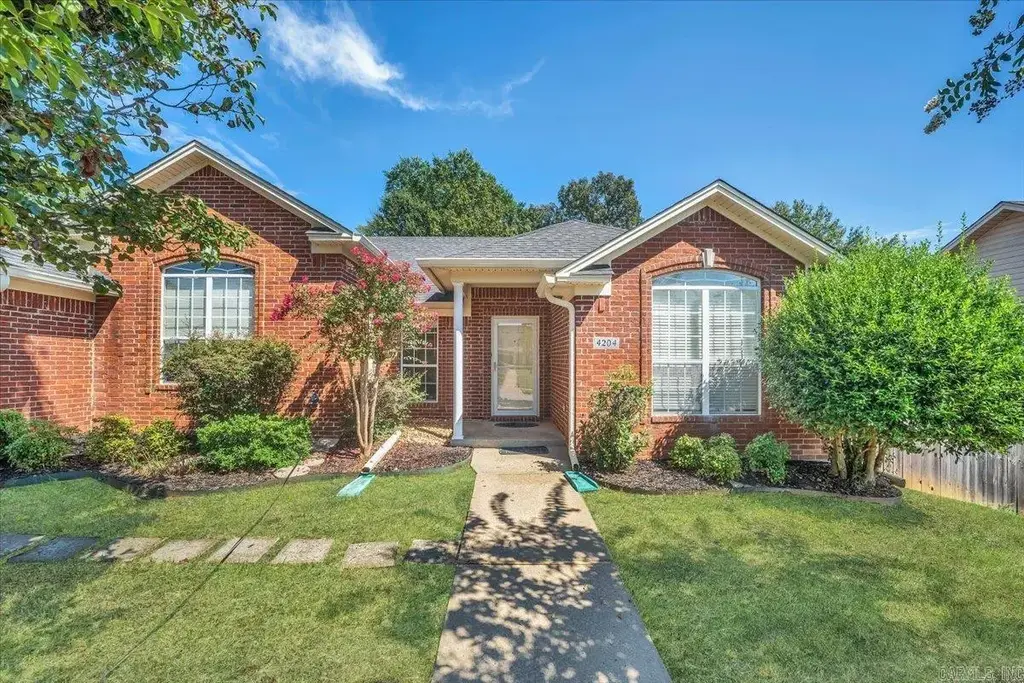
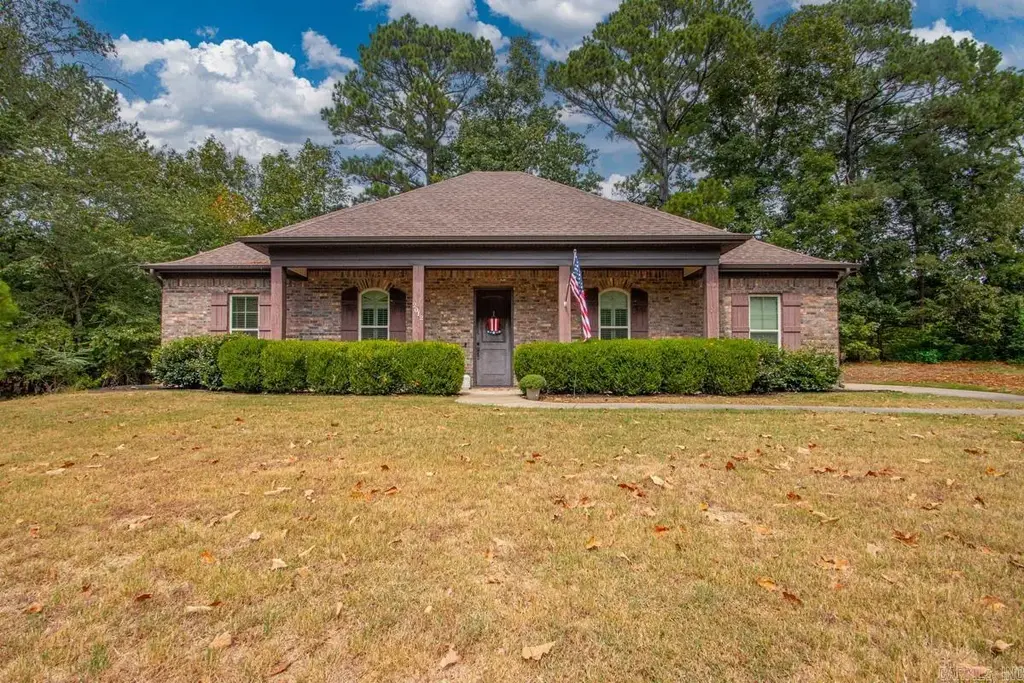
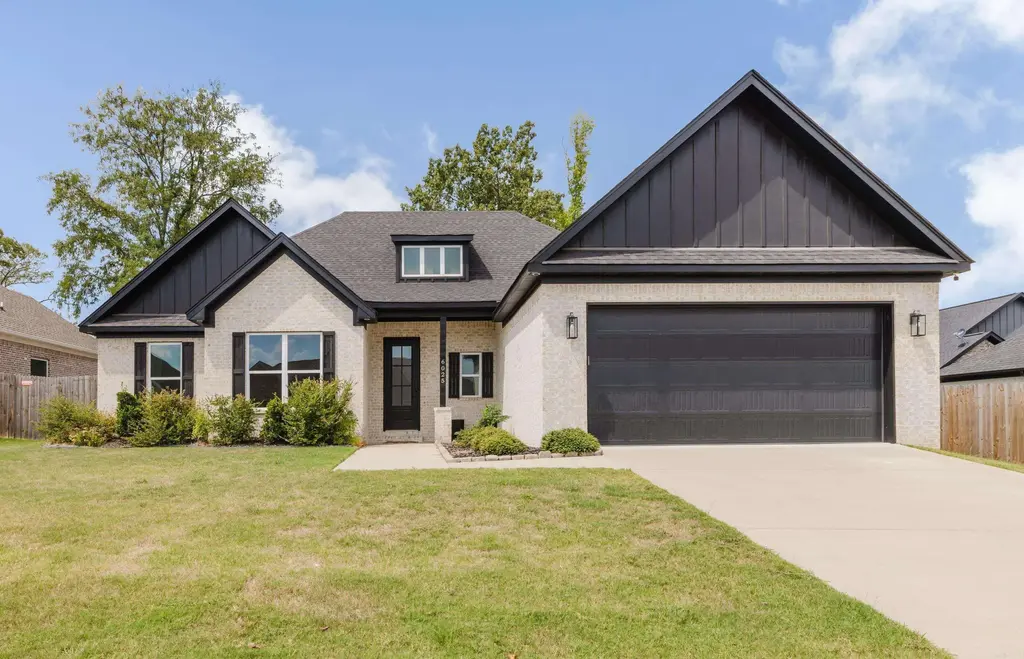
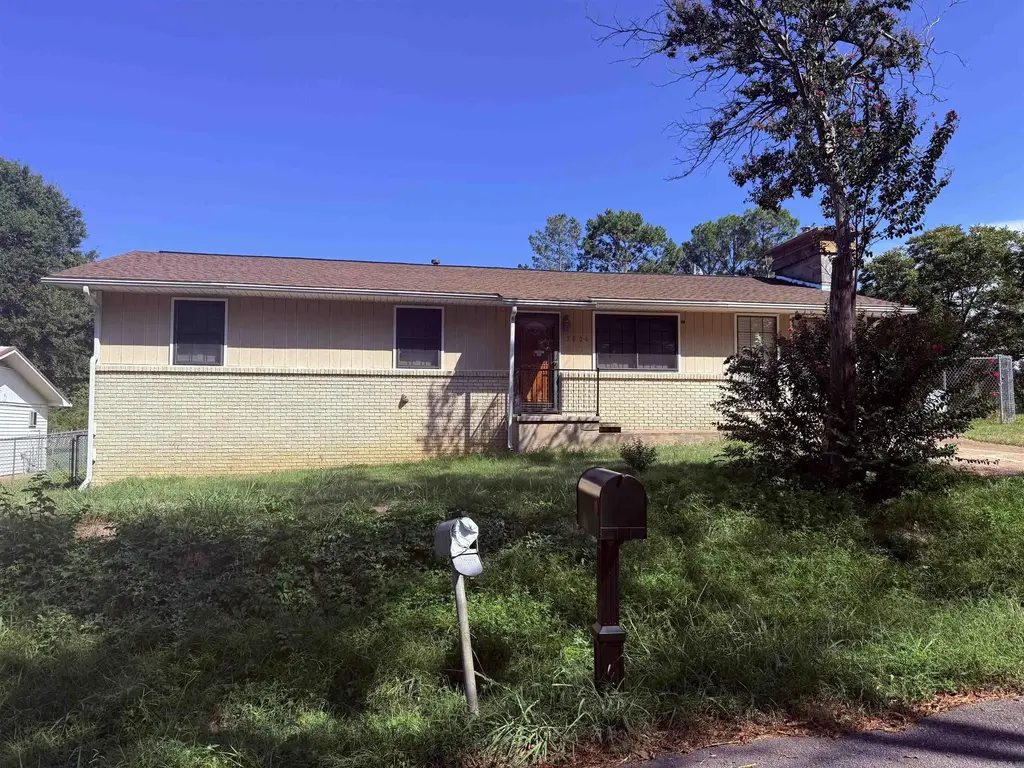
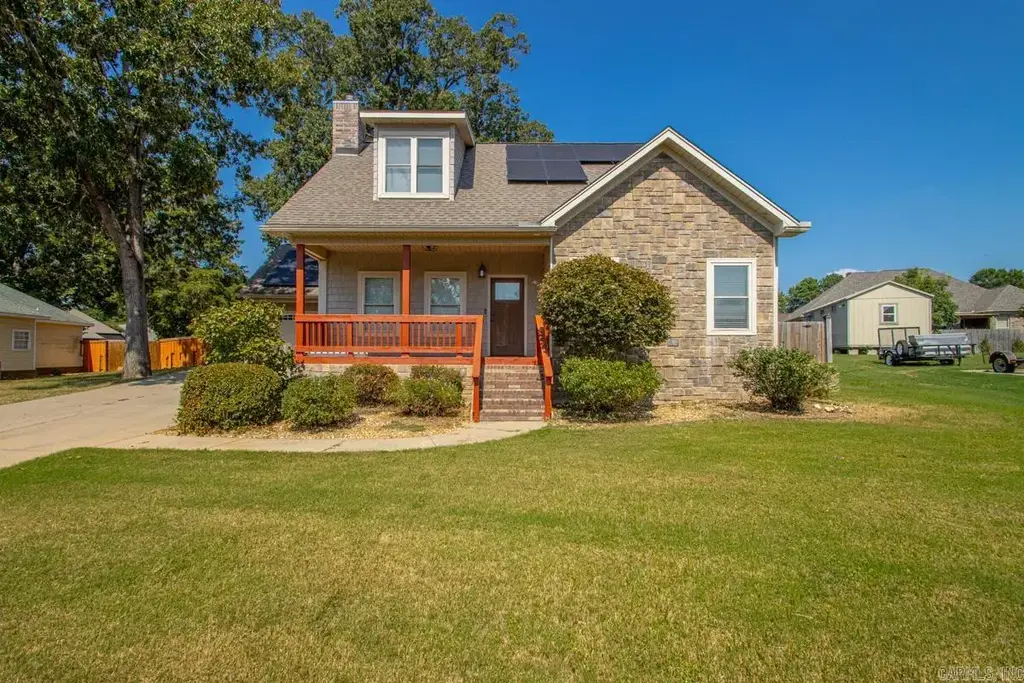
Bryant offers a wide range of housing options, which is one reason the city appeals to so many different types of buyers. You can find older brick homes, newer construction, subdivision homes, homes with larger lots, townhome-style options, and higher-end properties in areas like Hurricane Lake.
The city’s housing stock reflects its growth pattern. Some parts of Bryant feel more established, with mature trees, older streets, and traditional floor plans. Other areas feel newer, with larger subdivisions, more modern finishes, and homes built around the city’s expanding residential demand.
Hurricane Lake is one of the best-known areas in Bryant for larger homes and lake-oriented living. Springhill and nearby corridors offer a mix of established homes, newer construction, and convenient access to I-30. Areas closer to Reynolds Road and Alcoa Road may appeal to people who prioritize quick access to shopping, restaurants, and commuter routes.
As with most growing suburbs, it is important to compare neighborhoods carefully. Two homes can both have a Bryant address but offer very different daily routines depending on traffic patterns, school zoning, lot size, age of construction, and proximity to I-30.
New construction and growth
Bryant continues to grow, and that growth is visible in both residential and commercial development. The city has been working through planning and development priorities tied to infrastructure, roads, parks, economic development, and long-term growth.
For homebuyers, this matters because growth can bring both benefits and tradeoffs. New construction can create more housing options, newer floor plans, and modern neighborhood amenities. At the same time, growth can also mean more traffic, more school demand, and changing development patterns.
That does not make growth good or bad by itself. It just means Bryant is not standing still. Anyone considering a move here should look not only at the house, but also at what is planned nearby, how the roads function, and what the surrounding area may look like in the next several years.
Things to think about before moving to Bryant
Bryant is a strong option for many people, but it is not a one-size-fits-all city.
Traffic can be a factor, especially near I-30, school zones, and major retail corridors. If you are commuting during peak times, it is worth driving the route before making a decision. A neighborhood that feels quiet at noon may feel very different during morning drop-off or evening traffic.
Growth is another consideration. Bryant’s popularity is part of its appeal, but it also means the city is continuing to manage pressure on roads, schools, parks, and infrastructure.
It is also important to understand that Bryant, Benton, Alexander, and unincorporated Saline County can blur together quickly on a map. Before assuming a home is in a specific city, school zone, or service area, verify the address, utilities, school district, and city limits.
Is Bryant a good place to live?
Bryant is a good fit for people who want suburban convenience, access to Little Rock, a strong Saline County location, and plenty of daily-life amenities close to home. It works especially well for buyers who want an established Central Arkansas city with parks, schools, shopping, restaurants, medical access, and a wide range of housing options.
It may not be the right fit for someone looking for a highly walkable urban neighborhood, a rural setting with lots of acreage, or a quieter town farther removed from metro growth. But for people who want a practical, well-connected place to live in Central Arkansas, Bryant deserves a serious look.
The best way to understand Bryant is to compare it with nearby areas like Benton, Alexander, West Little Rock, and maybe even Maumelle or Conway depending on your commute and lifestyle preferences. Each city has its own rhythm. Bryant’s rhythm is convenient, active, suburban, and still growing.
Want to compare Bryant with nearby areas?
Bryant is only one part of the Central Arkansas picture. If you are deciding where to live, it helps to compare Bryant with Benton, Alexander, West Little Rock, and other nearby communities before narrowing down your search.
Explore the nearby city guides, compare the lifestyle differences, and pay attention to commute, schools, parks, home styles, and daily convenience. If you need help understanding how Bryant compares from a real estate perspective, Pixel Properties at REAL can help you look at the area neighborhood by neighborhood.