
Real Estate Statistics
| Average Price | $1.2M |
|---|---|
| Lowest Price | $328K |
| Highest Price | $5M |
| Total Listings | 19 |
| Avg. Days On Market | 73 |
| Avg. Price/SQFT | $338 |
Listing Status (active listings)
The Heights, Little Rock: Historic Homes, Kavanaugh Boulevard, and Central-City Living
Short Neighborhood Profile
The Heights is one of Little Rock’s most established neighborhoods, known for its tree-covered residential streets, distinctive homes, local shopping, and restaurants centered around Kavanaugh Boulevard. Its central location places residents close to Midtown, Riverdale, UAMS, downtown Little Rock, and the Arkansas River corridor, while the neighborhood itself maintains a strong identity shaped by more than a century of development.
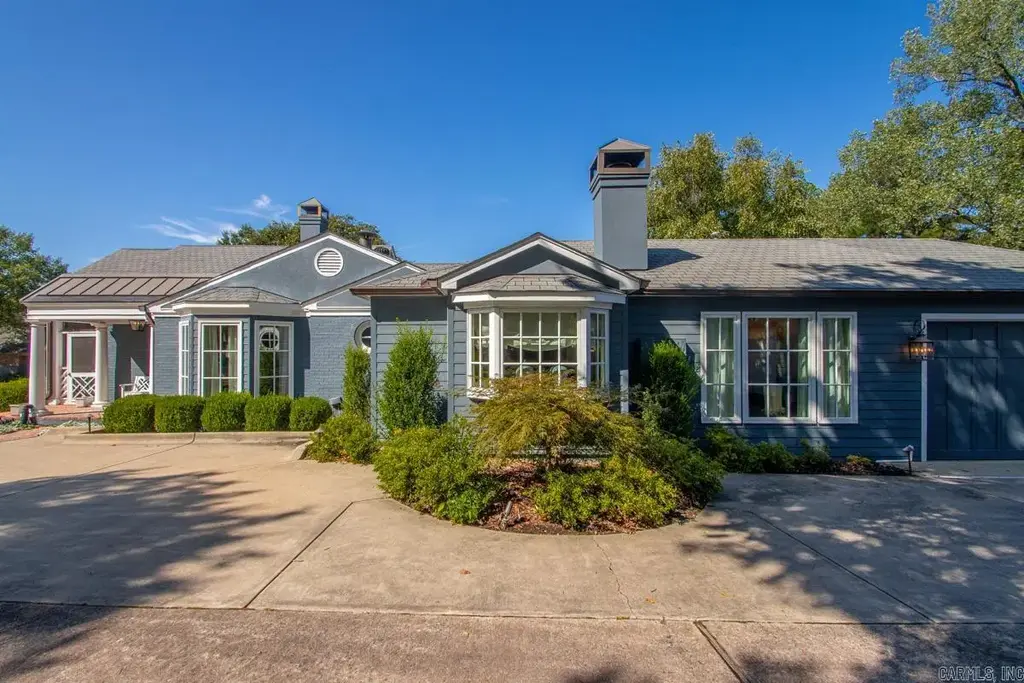
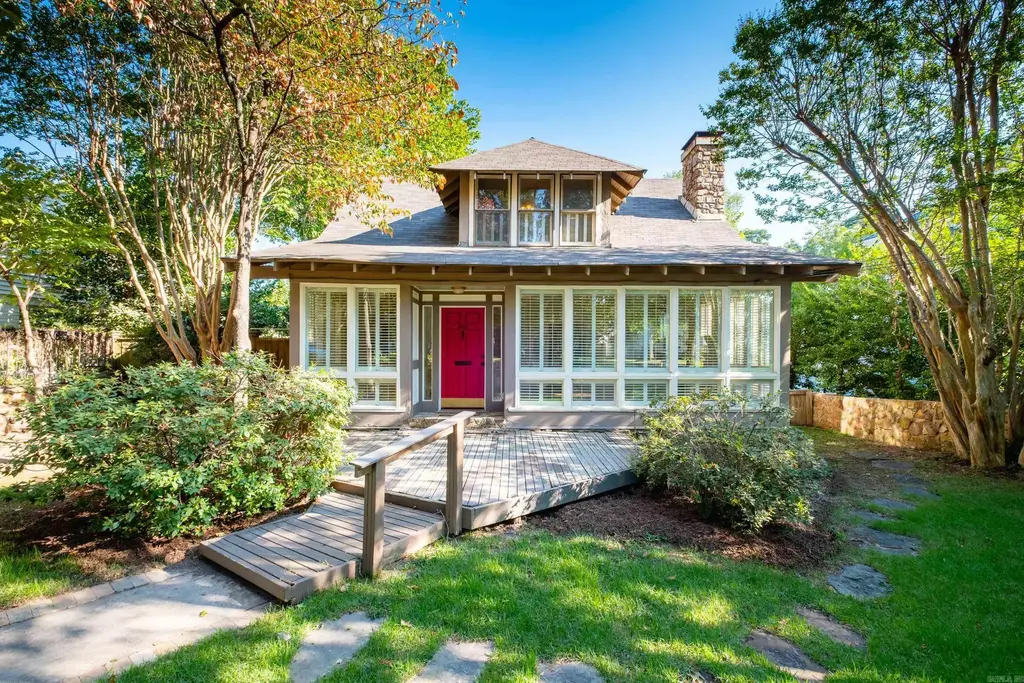
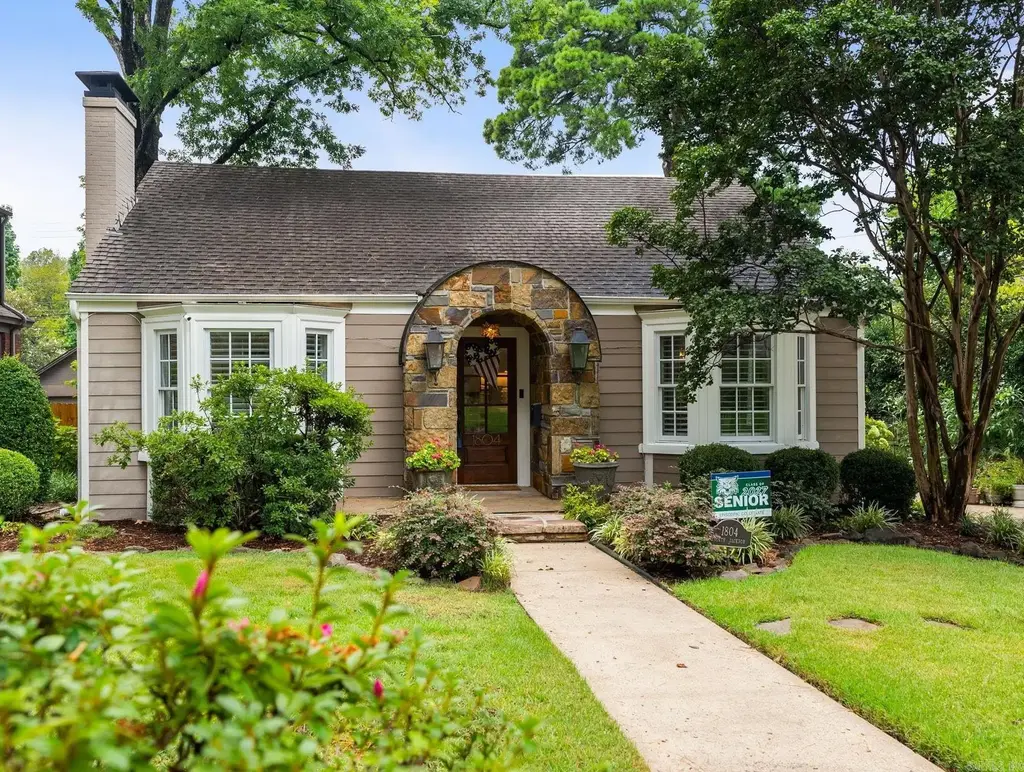
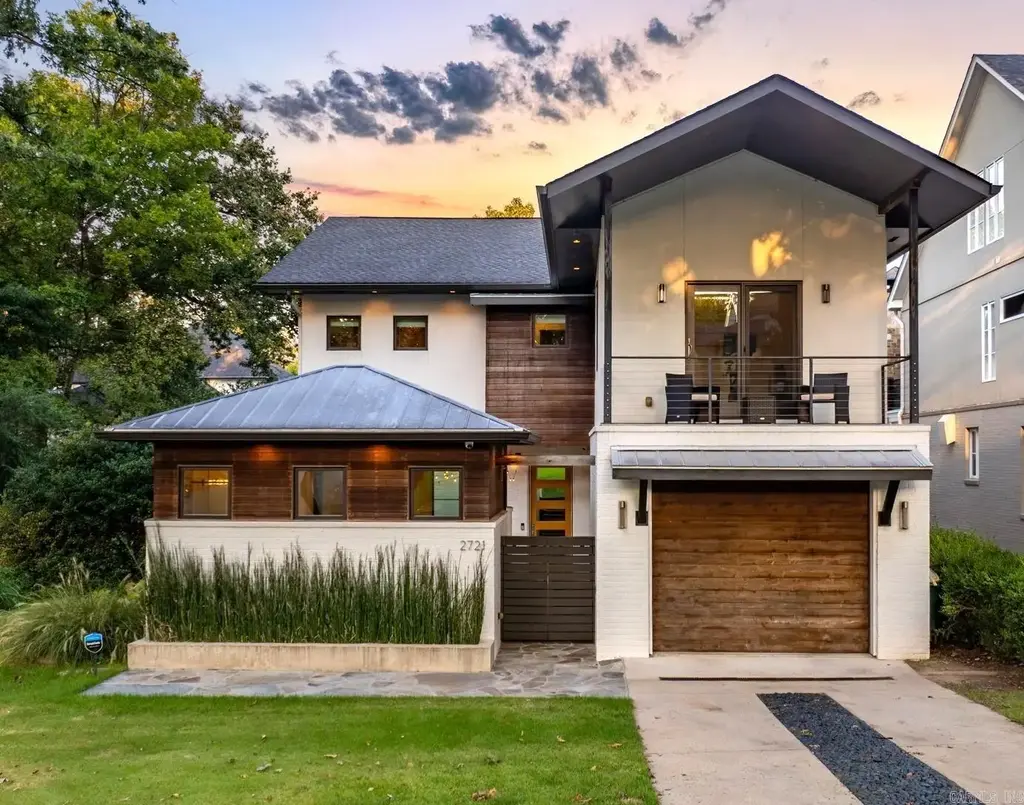
Homes range from traditional cottages and thoughtfully renovated older properties to new construction and some of Little Rock’s most impressive estate homes. Add Allsopp Park, nearby riverfront recreation, and one of the city’s most recognizable neighborhood business districts, and it is easy to understand why The Heights remains a highly requested place to live in Little Rock.
Where Is The Heights in Little Rock?
The Heights occupies an elevated section of central Little Rock above Cantrell Road and the Arkansas River valley. Kavanaugh Boulevard runs through the neighborhood, while University Avenue and Cantrell Road provide important connections to the rest of the city.
The neighborhood sits west and northwest of Hillcrest, above portions of Riverdale, and near Cammack Village and several other established residential areas in the 72207 ZIP code. The northern and eastern edges follow steeper terrain overlooking the river valley and Allsopp Park, while much of the neighborhood’s interior spreads across a broader, relatively level street grid.
Kavanaugh Boulevard serves as the neighborhood’s commercial spine. Homes closest to the shopping and dining district may be within an easy walk of restaurants, boutiques, coffee, and everyday services. Farther into the neighborhood, the setting becomes more residential, with longer blocks, larger properties in some sections, and fewer commercial interruptions.
Locals also use “The Heights” somewhat loosely when talking about the surrounding 72207 area. Neighborhood boundaries can feel different depending on whether someone is discussing city planning, school assignments, real estate searches, or familiar local landmarks. For homebuyers, the exact street and location within the broader Heights area can influence walkability, topography, housing style, and access to nearby destinations.
From Pulaski Heights to Modern Little Rock
The story of The Heights begins with Pulaski Heights, an early streetcar suburb developed west of Little Rock during the late nineteenth and early twentieth centuries.
Streetcar access helped connect the elevated area with downtown Little Rock and encouraged the construction of homes, schools, churches, and businesses. Pulaski Heights incorporated as a separate community before Little Rock voters approved its annexation in January 1916. Development continued through the 1920s and 1930s, gradually creating the residential streets and neighborhood centers now associated with The Heights and Hillcrest.
That history remains visible today. Kavanaugh Boulevard follows the route of an early streetcar thoroughfare, while the surrounding blocks include homes from several different periods of Little Rock’s growth. Older cottages sit near larger traditional residences, and many properties have been expanded, restored, or completely reimagined over time.
A complete view of the neighborhood’s history also recognizes that its early development included racially restrictive housing practices that were common in many American communities of that era. Those covenants were later ruled unenforceable and unconstitutional.
Today, The Heights is defined less by one architectural era than by the way its history continues to shape the streets, lots, commercial district, and homes people see throughout the neighborhood.
Kavanaugh Boulevard Is the Center of Daily Life
The Heights is primarily residential, but its business district gives the neighborhood a level of activity that most Little Rock subdivisions do not have.
Along Kavanaugh Boulevard and nearby sections of Grant and R streets, locally owned shops, restaurants, service businesses, and gathering places are concentrated within several connected blocks. You can pick up coffee, browse a bookstore, shop for clothing or gifts, meet someone for lunch, and return for dinner without leaving the neighborhood.
That concentration of businesses is one of the clearest distinctions between The Heights and a newer suburban neighborhood built around separate shopping centers.
Local Shops and Longtime Neighborhood Businesses
The Heights business district includes independent retailers selling clothing, jewelry, children’s apparel, home accents, flowers, and specialty gifts.
WordsWorth Books has long been part of the neighborhood’s identity and remains a destination for readers, book clubs, author events, and anyone who enjoys browsing shelves instead of ordering everything online. The Toggery, HJane Jewels, and Tipton & Hurst are among the other recognizable local names found around the district.
Rather than one large shopping complex, businesses are spread through smaller storefronts and buildings along the neighborhood streets. That layout makes shopping in The Heights feel more like visiting a traditional neighborhood district than walking through a conventional retail center.
Seasonal sidewalk sales and holiday events bring additional activity to the area and give local businesses an opportunity to turn the district into a community gathering place. Event schedules can change from year to year, but the Heights Business Association continues to organize and promote neighborhood shopping events.
Restaurants, Breakfast, and Neighborhood Favorites
The dining choices around Kavanaugh cover everything from breakfast and casual lunches to cocktails and full-service dinners.
Heights Taco & Tamale Co. is one of the most recognizable restaurants in the district, serving its Arkansas-influenced take on Mexican and Southern flavors from its Kavanaugh Boulevard location.
Boulevard Bread Company’s Heights Bistro on Grant Street works equally well for coffee, breakfast, lunch, fresh bread, bakery items, or a take-home dinner. Its corner location has become part of the everyday rhythm of the neighborhood rather than simply a place reserved for special occasions.
For dinner, George’s brings Italian dishes, cocktails, and a more polished evening atmosphere to its location at 5510 Kavanaugh Boulevard.
The Buttered Biscuit added another breakfast option in 2025 when it opened inside a restored century-old building at 5016 Kavanaugh Boulevard. The renovation preserved the presence of the older building while introducing a new use along the neighborhood’s commercial corridor.
These businesses change over time, as they do in any active neighborhood district, but the larger pattern remains consistent: The Heights has one of Little Rock’s strongest collections of restaurants and independent shops located directly within a residential neighborhood.
Walkability in The Heights
The Heights is often described as walkable, but the experience depends heavily on where a home is located.
Properties closest to the Kavanaugh business district may be within a comfortable walk of restaurants, shopping, coffee, and neighborhood services. Sidewalks and shorter trips make it possible to leave the car at home for some outings, especially around the commercial center.
The farther a property sits from Kavanaugh, the more likely residents are to drive. Sidewalk continuity, traffic, distance, and elevation vary by street, so The Heights is most accurately described as having a walkable neighborhood center rather than being completely walkable from one boundary to the other.
That distinction does not diminish the value of the district. Even residents who drive a few minutes to Kavanaugh still have a collection of neighborhood businesses much closer than the large commercial corridors found elsewhere in the city.
What Homes and Streets Look Like in The Heights
One of the most interesting parts of exploring The Heights is seeing how much the housing changes from block to block.
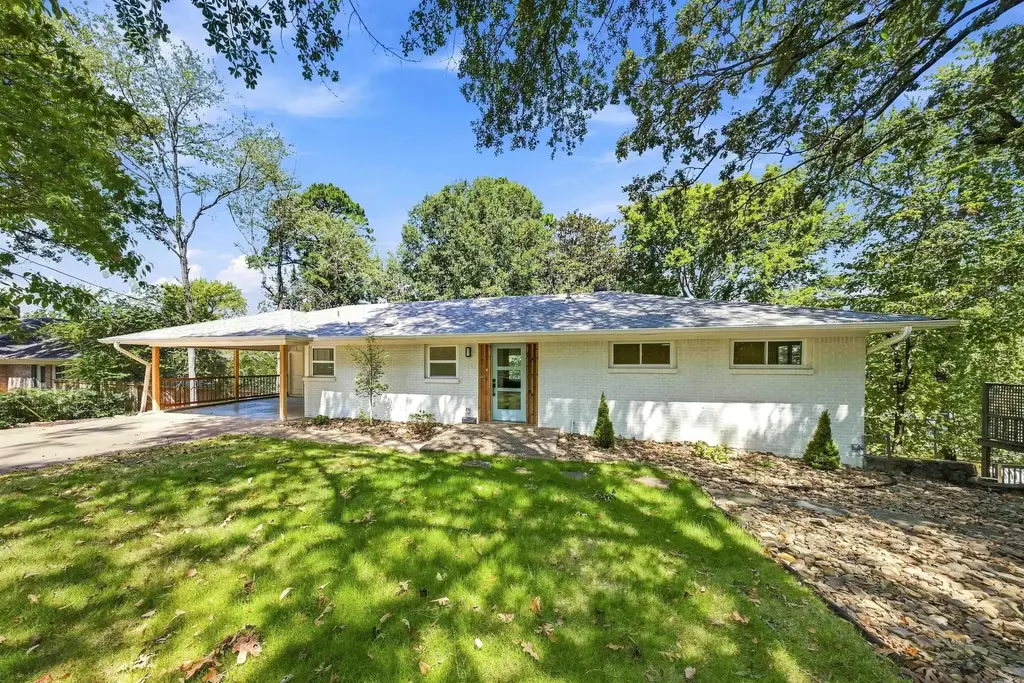
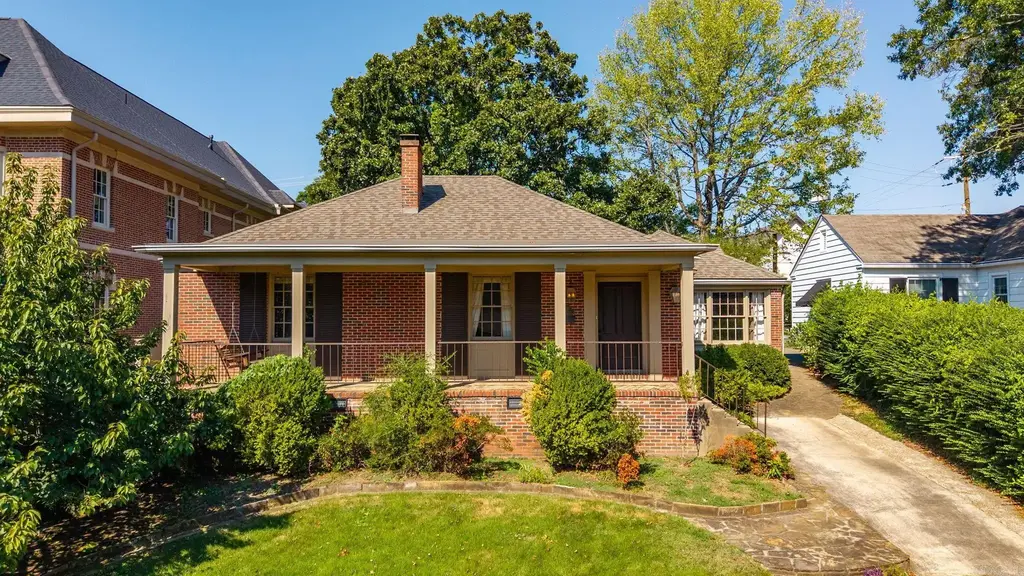
You may pass a compact cottage, a traditional brick home, a renovated bungalow, a newer infill property, and a much larger estate within a relatively short drive. Some streets feel intimate, with homes positioned closer to the road, while others have deeper lots, longer driveways, and larger setbacks.
The city’s neighborhood planning documents describe the Heights housing stock as varied in both size and building materials. They also document the long-running pattern of older homes being remodeled, expanded, or replaced as the neighborhood evolves.
Historic Cottages and Traditional Architecture
Older sections of The Heights include cottages and traditional homes influenced by the architectural styles popular during Little Rock’s early suburban growth.
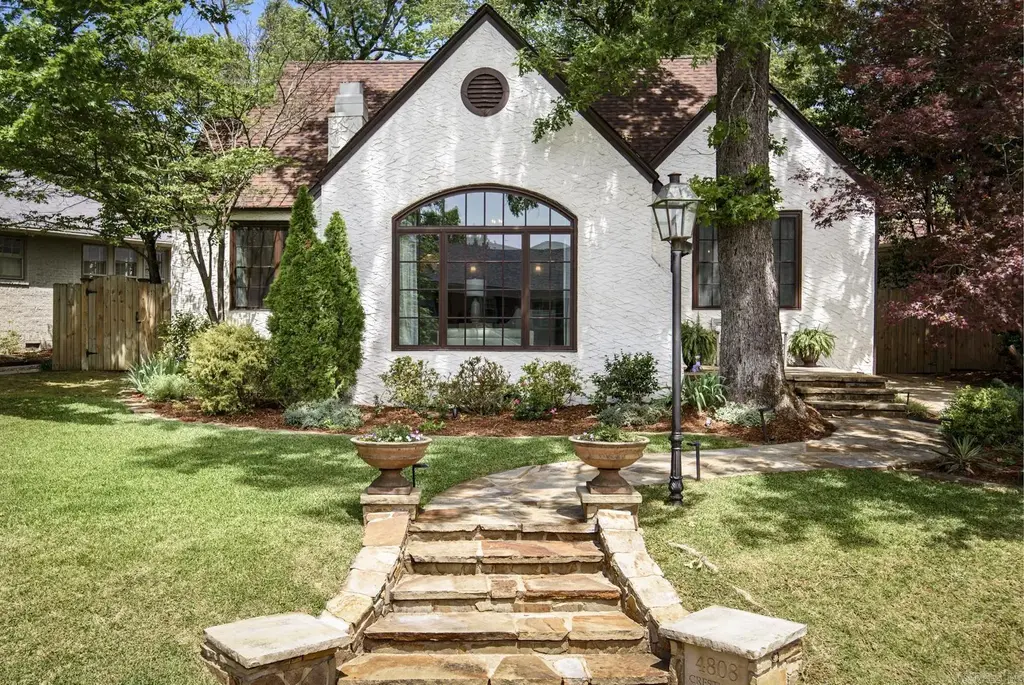
You will see brick and painted masonry, steep Tudor-influenced rooflines, Colonial details, front porches, stone accents, divided-light windows, and homes designed with more formal interior arrangements than most modern construction. Local accounts of Heights architecture commonly identify Georgian- and Tudor-influenced cottages among the neighborhood’s early housing styles.
Not every property is historically significant, and The Heights is not one continuous historic district. Still, the age and variety of the housing give the neighborhood a visual identity that is difficult to reproduce in newer developments.
Renovated Homes and New Construction
Many older homes have been substantially renovated to create larger kitchens, improved primary suites, more open gathering spaces, and better connections between the house and backyard.
Some renovations preserve the original exterior character while completely updating the interior. Others include major additions that increase the size of the home without removing its relationship to the surrounding street.
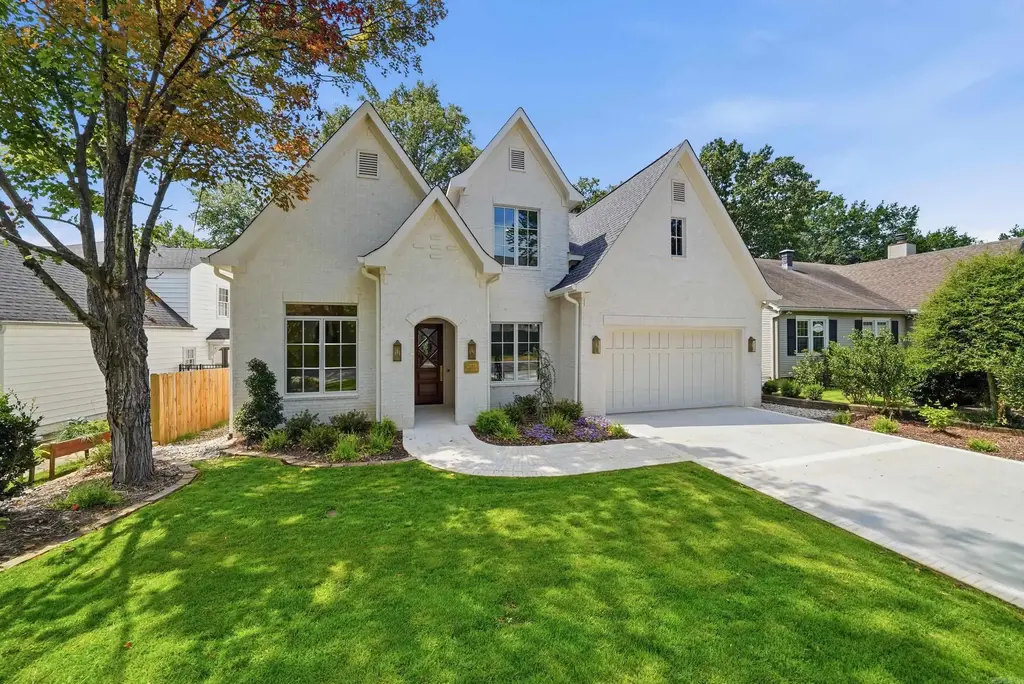
New construction is also part of The Heights. Infill homes can bring modern floor plans, updated building systems, larger garages, and new finishes to an established neighborhood. Designs range from houses that closely reference traditional Heights architecture to homes with a noticeably more contemporary appearance.
The result is a neighborhood that continues to change without losing the street pattern, mature landscaping, and central location that first made the area desirable.
Larger Properties, Bluff Homes, and Edgehill
The Heights also includes some of Little Rock’s most substantial residential properties.
Larger traditional homes and estate-scale residences are found in several sections, particularly near the Country Club of Little Rock and along streets where lot size, elevation, and views become more prominent. Edgehill is especially known for impressive homes positioned along the bluff above the Arkansas River valley.
River views are not available throughout the entire neighborhood, but certain properties take full advantage of the elevation. In those locations, the setting can include long views across the river valley, dramatic topography, and a greater sense of separation from the streets below. Little Rock’s tourism organization specifically identifies the bluff setting and river outlooks as defining features of portions of The Heights.
Mature Trees and Established Streets
The tree canopy is another major part of the neighborhood’s appearance.
Large trees frame many streets and yards, giving older sections a settled look that comes only with time. Landscaping varies from simple lawns and foundation plantings to formal gardens, stone terraces, courtyards, and professionally designed outdoor spaces.
Some streets follow a clean grid, while others respond to the hills and irregular edges of the neighborhood. The interior is relatively level in places, but the land drops sharply near Cantrell Hill, Allsopp Park, and the Arkansas River valley.
That variation means there is no single Heights streetscape. The neighborhood’s character comes from the combination of architecture, trees, elevation, and homes that have changed through several generations of ownership.
Search The Heights Real Estate Listings
- All Listings
- $300,000 - $400,000
- $400,000 - $500,000
- $600,000 - $700,000
- $700,000 - $800,000
- $800,000 - $900,000
- $900,000 - $1,000,000
- Over $1,000,000


Parks, Trails, and the Arkansas River Corridor
The Heights is an in-town neighborhood, but outdoor recreation is never far away.
Allsopp Park
Allsopp Park is one of the most immediate outdoor destinations near The Heights.
The 75-acre city park follows a wooded ravine within the broader Pulaski Heights area and includes trails, play areas, and community gathering spaces. Its combination of open recreation and wooded terrain gives residents a place to walk, run, hike, mountain bike, or spend time outside without driving to the edge of the city.
Access points and elevation matter here. The park sits below parts of The Heights, and the city’s neighborhood plan notes that the topography can make some routes less direct than they appear on a map. A nature-trail entrance near Kavanaugh and Crestwood provides one connection from the neighborhood.
That separation is also part of the park’s appeal. Within a short distance of residential streets and neighborhood businesses, the terrain changes into a wooded ravine that feels distinctly different from the surrounding city.
Murray Park and the Arkansas River Trail
Murray Park sits below The Heights along the Arkansas River and is a short drive from much of the neighborhood.
The park provides access to riverfront recreation, open green space, trails, playground areas, sports facilities, and the broader Arkansas River Trail system. The trail’s central loop extends 15.6 miles along both sides of the Arkansas River and is anchored by the Big Dam Bridge and the Clinton Presidential Park Bridge.
From The Heights, residents can reach Murray Park, Rebsamen Park Road, and the river corridor without crossing the entire city. This proximity makes it easier to add a walk, run, bike ride, or afternoon near the river to an ordinary week.
Smaller Neighborhood Green Spaces
Prospect Terrace Park provides a smaller green space near Kavanaugh and L Street. It serves the surrounding residential blocks rather than functioning as a regional destination, giving nearby residents a simple place to spend time outside close to home.
Together, Allsopp Park, Murray Park, and the riverfront create several different outdoor experiences near The Heights, from wooded trails to broad views along the Arkansas River.
Getting Around From The Heights
Location is one of the strongest reasons people consider The Heights.
Cantrell Road connects the neighborhood with downtown Little Rock, Riverdale, and western parts of the city. University Avenue provides a direct route toward Midtown, while Kavanaugh and nearby streets connect The Heights with Hillcrest, UAMS, and the central-city medical corridor.
From different parts of the neighborhood, residents can reach:
- Riverdale and Rebsamen Park Road
- Midtown shopping and services
- UAMS and nearby medical offices
- Downtown Little Rock
- Hillcrest
- Murray Park and the Arkansas River Trail
- Cantrell Road businesses and West Little Rock
What to Know About Getting Around The Heights
Cantrell Road is one of the neighborhood’s most useful connections, providing a direct route toward downtown, Riverdale, and West Little Rock. It can be busier during peak commuting periods, and residents often become familiar with several alternate routes through the surrounding central-city street network.
The popular sections of Kavanaugh Boulevard attract regular activity around restaurants, shops, and neighborhood events. Parking varies by destination and time of day, but that activity is also what supports the district’s locally owned businesses and keeps it connected to the surrounding neighborhood.
Some residential streets are narrower than those in newer subdivisions. That scale helps preserve the older street pattern and brings homes, sidewalks, landscaping, and neighbors closer together.
The hills and changing elevation add visual interest, particularly near the neighborhood’s northern and eastern edges. They can also make routes feel slightly different than they first appear on a map.
Exact travel times depend on time of day and the part of the neighborhood, but The Heights remains one of Little Rock’s most convenient locations for reaching major employment, medical, dining, and recreation areas.
Schools and Educational Options Near The Heights
The Heights is served by the Little Rock School District, and public-school assignments are determined by the residential address.
Forest Park Elementary is located at 1600 North Tyler Street within the broader Heights area. Pulaski Heights Middle School is nearby at 401 North Pine Street. Because attendance boundaries and assignment options can change, buyers should verify the specific property address directly with LRSD before making a decision based on schools.
Mount St. Mary Academy is located on Kavanaugh Boulevard near The Heights and Hillcrest. The Catholic high school for young women has been part of central Little Rock since the nineteenth century and occupies its current Kavanaugh location.
Additional public, private, charter, and magnet options are available throughout Little Rock. Families comparing educational choices should consider admissions requirements, transportation, attendance boundaries, and the needs of the individual student rather than relying only on the neighborhood name.
What to Consider When Choosing a Home in The Heights
Buying in The Heights is less about selecting a standard floor plan and more about comparing individual properties.
The neighborhood’s variety is part of its appeal, but it also means two homes with similar square footage may have very different layouts, updates, lot characteristics, parking, architecture, and long-term maintenance needs.
Older Homes Have Their Own Stories
Many Heights homes have been standing for decades, and a well-cared-for older home can have craftsmanship, materials, and architectural details that are difficult to duplicate today.
A thoughtful inspection helps buyers understand how the home has changed over time. Foundations, drainage, roofing, electrical service, plumbing, windows, and previous additions are all worth evaluating carefully. The goal is not to avoid an older property, but to understand what has already been improved and what may be part of future ownership.
Renovation Quality Matters
Some homes have been comprehensively renovated with updated systems and well-planned additions. Others may have received mostly cosmetic improvements.
Buyers who appreciate original character may prefer a house with preserved trim, windows, masonry, or interior details. Others may prioritize a remodeled kitchen, modern primary suite, expanded living space, or improved energy efficiency.
The Heights provides opportunities for both, but the value of a property often depends on how successfully those elements have been combined.
Parking and Garages Vary
Homes built before large attached garages became standard may have narrow driveways, detached garages, rear parking, carports, or limited off-street space.
For many buyers, that arrangement is a natural part of living in an established central-city neighborhood. It is still helpful to consider daily routines, guest parking, storage, and vehicle size when comparing homes.
Newer construction and larger renovated properties may provide more extensive garage space, but it should not be assumed from the neighborhood or price point alone.
Lot Size and Topography Change by Street
Some homes sit on compact, manageable lots close to neighborhood businesses. Others occupy deeper or wider properties with more room for gardens, patios, pools, and outdoor entertaining.
Near the bluffs and steeper portions of the neighborhood, elevation can create beautiful views, terraced landscaping, and distinctive architecture. Buyers considering those homes should also understand drainage, retaining walls, driveway grades, and how the outdoor space is used.
These are not reasons to avoid a property. They are part of choosing the Heights home and setting that best match the way someone wants to live.
Inventory Can Be Limited
The Heights is largely built out, so the number and type of homes available can change quickly.
A buyer may see several smaller cottages one month and mostly renovated luxury properties the next. Some streets rarely have homes come to market, while other sections see more regular turnover.
Flexibility with timing, condition, location, or renovation plans can make the search more productive. It also helps to compare the individual street and property rather than judging the neighborhood from a single listing.
The Heights in One Afternoon
The best way to understand The Heights is to spend time moving between the business district, residential streets, and nearby parks.
Start with breakfast at The Buttered Biscuit or coffee and something from the bakery at Boulevard Bread Company. From there, browse the shops around Kavanaugh, Grant, and R streets, including a stop at WordsWorth Books.
Drive through the nearby residential blocks and pay attention to how quickly the homes change. Smaller cottages give way to larger traditional properties, renovations, and newer construction. Continue toward the northern side of the neighborhood to see how the elevation changes near Scenic Drive, Edgehill, and the bluff above the Arkansas River valley.
For the afternoon, head toward Allsopp Park for a wooded trail walk or drive down to Murray Park and spend time along the Arkansas River Trail.
Return to Kavanaugh for dinner at Heights Taco & Tamale Co. or George’s. By the end of the day, you will have experienced the three elements that define The Heights: established residential streets, an active neighborhood business district, and quick access to some of central Little Rock’s best outdoor spaces.
Is The Heights the Right Little Rock Neighborhood for Your Search?
The Heights deserves a closer look for buyers who appreciate established architecture, mature landscaping, local restaurants, independent shopping, and a central location.
It is especially appealing to people who want more architectural variety than they would typically find in a newer planned subdivision. Homes here do not follow one standard style or floor plan. Part of the search is finding the right combination of house, street, lot, condition, and proximity to the places that matter most.
The neighborhood’s older homes, limited inventory, and street-by-street differences make local knowledge especially useful. One property may provide an easy walk to Kavanaugh, while another may trade that proximity for a larger lot, quieter setting, river view, or more substantial home.
For many buyers, that variety is exactly what makes The Heights interesting. It is not a neighborhood built all at once. It has grown, changed, and been renewed over generations, leaving Little Rock with an area that feels established without standing still.
Explore More of Central Little Rock
The Heights is only one part of Little Rock’s central-city story. Compare it with nearby Hillcrest, Riverdale, and other established neighborhoods to see how architecture, walkability, outdoor access, and location change across this part of the city.
For a broader look at living in the city, explore the Little Rock Relocation Guide and continue through our neighborhood profiles to find the areas that best match the way you want to live.