

Search Centennial Valley Real Estate Listings

Real Estate Statistics
| Average Price | $731K |
|---|---|
| Lowest Price | $675K |
| Highest Price | $787K |
| Total Listings | 2 |
| Avg. Days On Market | 125 |
| Avg. Price/SQFT | $187 |
Listing Status (active listings)
Living in Centennial Valley in Conway, Arkansas
A guide to one of Conway’s established golf-course neighborhoods, with country-club amenities, mature homes, and west Conway convenience
Centennial Valley is one of Conway’s most recognizable established neighborhoods, known for its golf-course setting, mature streetscapes, active neighborhood association, and connection to Centennial Valley Country Club. Located on the west side of Conway, the neighborhood offers a polished residential feel with distinctive homes, landscaped entrances, lakes, golf course views, and convenient access to shopping, schools, parks, trails, medical care, and major Conway employers.
For buyers looking at Conway, Centennial Valley stands out because it feels settled. This is not a brand-new subdivision still waiting to find its identity. It is a built-out neighborhood with architectural standards, long-term upkeep, and a country-club lifestyle anchor that gives the area a different feel from many other Conway communities.
Quick Profile: Centennial Valley at a Glance
Centennial Valley is located in Conway, Arkansas, on the west side of town near Hogan Lane and the Centennial Valley Country Club area. The neighborhood is made up of several connected residential sections and phases, with the Centennial Valley Neighborhood Association helping maintain common standards, entrances, landscaping, and neighborhood appearance.
Recent neighborhood association materials reference roughly 272 homes, with no available lots listed in the 2025 annual meeting minutes. That makes Centennial Valley a mostly built-out, established neighborhood rather than an actively expanding new-construction community.
The neighborhood is known for:
-
Golf-course surroundings
-
Mature trees and landscaped streets
-
Distinctive homes built across multiple phases
-
An active neighborhood association
-
Annual neighborhood dues
-
Architectural review for exterior changes
-
Proximity to Centennial Valley Country Club
-
Convenient west Conway access
One important note for buyers: Centennial Valley Country Club amenities are a major part of the lifestyle appeal in this area, but country club membership should be verified separately. Buying a home in the neighborhood does not necessarily mean every club amenity is automatically included.
What Makes Centennial Valley Stand Out in Conway
Centennial Valley has a different feel from many Conway neighborhoods because the golf course is not just nearby; it is woven into the setting. Streets curve through a landscape of fairways, water features, mature trees, and homesites that were designed around the country-club environment.
For buyers comparing neighborhoods in Conway, that matters. Some neighborhoods are valued mainly for affordability, newer construction, or quick access to shopping. Centennial Valley is more about setting, feel, and long-term neighborhood character. It has the kind of established presence that comes from years of homes, landscaping, community standards, and local recognition.
This is the kind of neighborhood where the details matter. A home backing to the golf course may feel very different from one tucked deeper inside the neighborhood. A lot with water nearby may have a different sense of privacy and view than an interior lot. Some homes may feel more traditional, while others may have been updated over time. That variety is part of the appeal, but it also makes it important for buyers to look carefully at the specific home, lot, section, and setting.
A Golf-Course Neighborhood With an Established Country-Club Setting
The biggest lifestyle feature in Centennial Valley is the country-club setting. Centennial Valley Country Club includes an 18-hole golf course that winds through the neighborhood area with tall pines, mature oaks, lakes, bunkers, and homesites along the course routing.
For golfers, the course offers multiple tee options and a layout that can appeal to different skill levels. For non-golfers, the course still contributes to the overall neighborhood experience. Fairway views, open green space, water features, and tree-lined streets help create a more scenic residential setting than a standard subdivision layout.
The country club also includes a clubhouse, 19th Hole Bar & Grill, pool area, fitness center, and event spaces. These amenities help make the area feel less like a collection of houses and more like a lifestyle neighborhood. Even if a buyer is not a serious golfer, the presence of the club adds social, recreational, and visual value to the neighborhood.
The Neighborhood Layout: Sections, Phases, and a Built-Out Feel
Centennial Valley is not one small street or a single pocket of homes. The neighborhood includes several named sections and phases, including areas such as Centennial Valley North, Phase I, Phase II, Phase III, Fairways, The Reserve, and Saint Andrew’s sections.
That matters because Centennial Valley can vary from street to street. Some homes may have golf-course views. Some may sit near lakes or water features. Others may feel more tucked away inside the neighborhood. Different phases may also reflect different building eras, floor plans, lot sizes, and architectural details.
Because the neighborhood is largely built out, buyers should not approach Centennial Valley the same way they would approach a new development with multiple available lots and builder packages. This is more of a resale-driven neighborhood where timing, condition, updates, lot position, and view can all play a major role in value.
For buyers who want a mature, established Conway neighborhood, that can be a positive. The trees are more grown in. The neighborhood identity is already formed. The entrances, common areas, and standards are already part of the community structure.
Homes in Centennial Valley
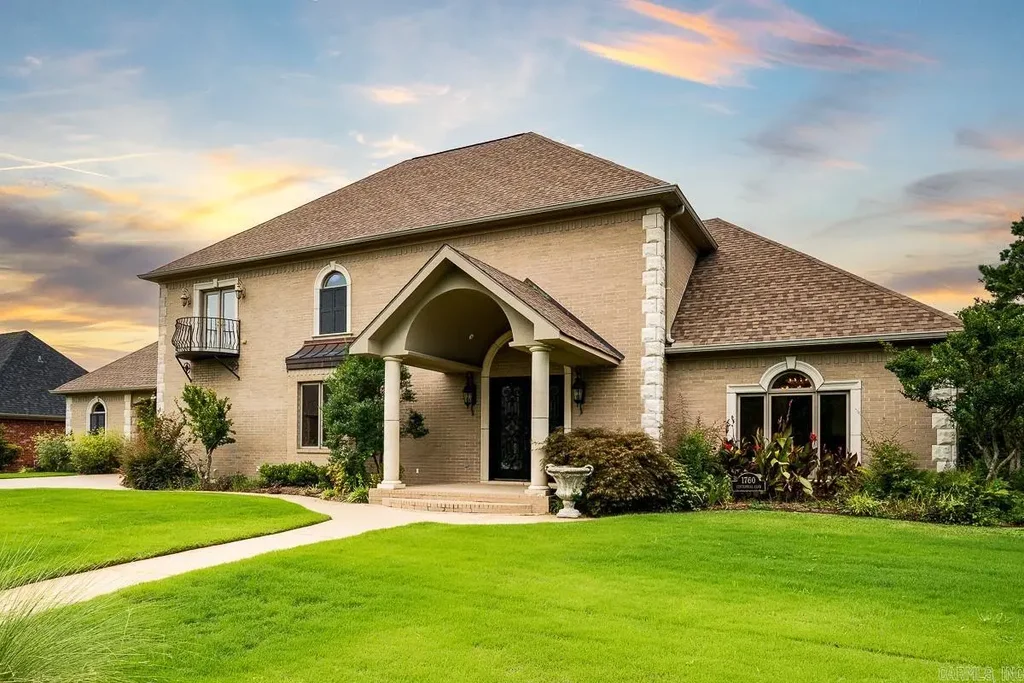
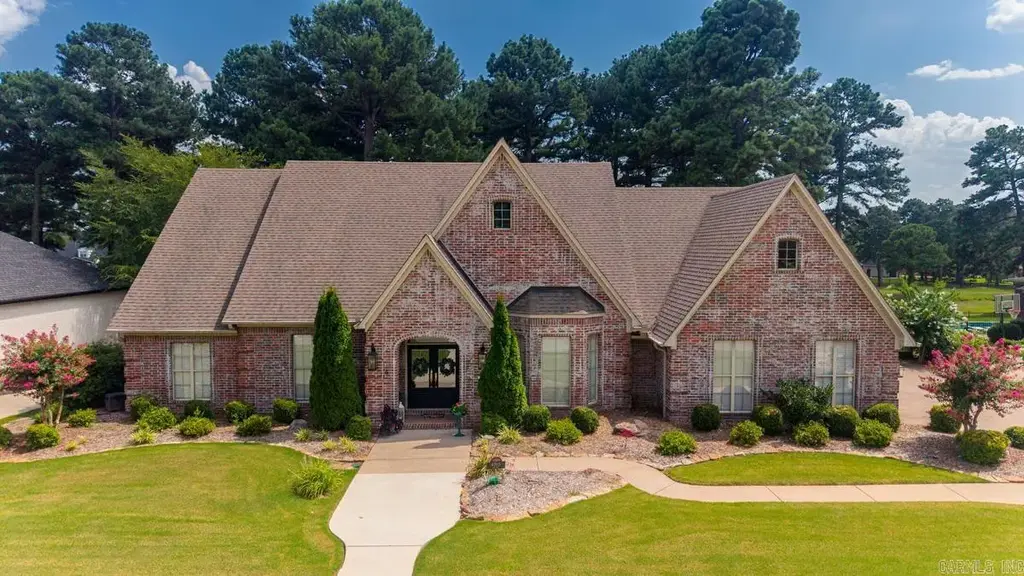
Homes in Centennial Valley tend to reflect the neighborhood’s established, upscale Conway feel. Buyers will commonly find traditional brick homes, larger floor plans, custom or semi-custom details, side-entry garages, formal and informal living spaces, mature landscaping, and homes positioned to take advantage of golf-course, lake, or neighborhood views.
Because Centennial Valley has developed over time, the homes are not all identical. That is one of the things buyers may appreciate. Instead of a newer subdivision where many houses feel similar, Centennial Valley has more architectural variety and a more mature residential character.
Depending on the property, buyers may find features such as:
-
Golf-course or water views
-
Larger living areas
-
Traditional brick exteriors
-
Updated kitchens and bathrooms
-
Covered patios or outdoor living areas
-
Sidewalks and neighborhood walking routes
-
Mature trees and established landscaping
-
Homes with formal dining, office space, bonus rooms, or flexible layouts
As with any established neighborhood, condition can vary. Some homes may be beautifully updated, while others may offer a strong location and layout but need cosmetic improvements. Buyers should pay close attention to roof age, HVAC systems, windows, drainage, exterior maintenance, and how any renovations were completed.
Golf Course Views, Water Features, and Mature Streetscapes
One of the strongest visual advantages of Centennial Valley is the setting. The neighborhood has a mix of fairways, lakes, tree cover, and landscaped common areas that give it a more scenic feel than many standard residential developments.
Golf-course lots can be especially appealing, but buyers should think beyond the phrase “on the golf course.” The exact position matters. Some homes may have wide, open fairway views. Others may sit near a tee box, green, cart path, or water feature. Each of those positions can affect privacy, noise, view, and how the outdoor space feels day to day.
Water features can also add to the neighborhood’s appeal. A pond or lake view can make a backyard feel more open and peaceful, but buyers should still evaluate drainage, maintenance, and lot conditions carefully.
The mature streetscapes are also part of the neighborhood’s character. Centennial Valley does not feel raw or unfinished. The landscaping, trees, established homes, and common-area upkeep contribute to a more settled Conway neighborhood feel.
Centennial Valley Country Club and Lifestyle Amenities
Centennial Valley Country Club is the main lifestyle anchor for the neighborhood area. The club includes golf, fitness, pool, dining, and event amenities, with separate membership options available through the club.
The golf course is a central part of the setting, but the club offers more than golf. The fitness center includes cardio equipment, weight equipment, locker rooms, showers, saunas, personal training options, and weekday fitness classes. The pool area includes multiple pool spaces, lounge areas, shaded gathering areas, and seasonal pool access.
The 19th Hole Bar & Grill and clubhouse provide a social gathering point for members. The event center also gives the club a role beyond day-to-day recreation, with space for meetings, conferences, and private events.
For a buyer, this creates a lifestyle advantage that is hard to duplicate in a typical subdivision. The appeal is not simply “there is a golf course nearby.” The stronger point is that Centennial Valley has a built-in recreational and social hub that shapes the way the area feels.
Neighborhood Association, Dues, and Architectural Standards
Centennial Valley is served by the Centennial Valley Neighborhood Association. The association’s stated purpose is to help preserve the beauty and value of property within the neighborhood. All homeowners are members of the association, and the board is made up of residents who serve elected terms.
Annual dues are currently listed at $300 per year, with bills typically mailed in August. Buyers should verify the current dues amount, transfer details, and any neighborhood requirements during the purchase process.
Centennial Valley also has an Architectural Control Committee process. Exterior projects such as new construction, renovations, pools, pool houses, exterior painting, fencing, roofing, major landscaping, and other improvements may require approval before work begins.
For some buyers, this is a major positive because it helps protect the neighborhood’s appearance and consistency. For others, it means they need to understand the guidelines before planning changes to a property. Either way, it is something buyers should review carefully before purchasing.
Location and Convenience in West Conway
Centennial Valley’s west Conway location is one of its practical strengths. The neighborhood is positioned near everyday conveniences while still offering a more residential, golf-course setting.
From this side of Conway, residents have reasonable access to grocery stores, restaurants, schools, medical facilities, parks, and shopping along major Conway corridors. Hogan Lane, Dave Ward Drive, Salem Road, and I-40 access are all part of the broader convenience picture.
This location can work especially well for buyers who want to be in Conway but prefer a more neighborhood-oriented setting instead of being directly in the middle of the busiest retail areas. It also provides access to major Conway institutions such as the University of Central Arkansas, Hendrix College, Central Baptist College, Conway Regional, Baptist Health Medical Center-Conway, Acxiom, Nabholz, Conway Public Schools, and other employers that help make Conway one of Central Arkansas’s most important cities.
Centennial Valley feels connected to Conway without feeling like a dense commercial area. That balance is a big part of the neighborhood’s appeal.
Nearby Parks, Trails, and Outdoor Access
Centennial Valley already has outdoor appeal because of its golf course, mature trees, and neighborhood layout, but it also benefits from Conway’s growing park and trail system.
One nearby outdoor feature is the Kinley Trail, Conway’s original walking and biking trail along Tucker Creek. The trail runs from Tyler Street to Hogan Lane, placing it within the broader west Conway area and giving residents another option for walking, biking, and outdoor movement beyond the neighborhood itself.
Conway also has several parks, athletic facilities, and outdoor spaces throughout the city, including larger recreation areas, sports complexes, and neighborhood parks. For buyers who like being outside but still want city convenience, Centennial Valley fits nicely into that broader Conway lifestyle.
Schools Serving Centennial Valley
The Centennial Valley Neighborhood Association currently lists the following Conway Public Schools for the neighborhood:
-
Woodrow Cummins Elementary
-
Ruth Doyle Middle School
-
Conway Junior High School
-
Conway High School
School assignments can change, so buyers should always verify attendance zones directly with Conway Public Schools before making a decision. For buyers comparing neighborhoods, school zoning is an important due diligence step, especially in a growing city like Conway.
What Buyers Should Know Before Buying in Centennial Valley
Centennial Valley is one of those neighborhoods where a buyer should look beyond the basic listing information. The address, square footage, and bedroom count matter, but the real value is often in the specific setting.
A few things to review carefully:
First, look at the lot position. Is the home on the golf course, near a lake, on an interior lot, near an entrance, or tucked deeper inside the neighborhood? Each location has a different feel.
Second, review the home’s condition and update history. In established neighborhoods, two homes with similar square footage can feel very different depending on maintenance, renovations, systems, and finishes.
Third, understand the neighborhood standards. The architectural review process can help protect the neighborhood’s appearance, but buyers should know the rules before planning exterior changes.
Fourth, verify country club membership separately. The club is a major lifestyle feature, but buyers should confirm membership requirements, dues, initiation fees, amenities, and access directly with Centennial Valley Country Club.
Finally, pay attention to availability. Because Centennial Valley is mostly built out, buyers may not have many options at one time. If this neighborhood is high on your list, it helps to watch the market closely and be ready when the right home becomes available.
Final Thoughts on Living in Centennial Valley
Centennial Valley is one of Conway’s strongest neighborhood options for buyers who want an established residential setting with a country-club atmosphere. It offers mature homes, scenic surroundings, neighborhood standards, golf-course character, and convenient access to west Conway.
It is not the right fit for someone looking for a brand-new subdivision with rows of new builder inventory. That is not the story here. Centennial Valley is better understood as a polished, built-out neighborhood with a long-standing identity and a setting that is difficult to recreate.
For buyers who value golf-course surroundings, mature streets, larger homes, and access to country-club amenities, Centennial Valley deserves a serious look.
Explore Homes in Centennial Valley
If Centennial Valley is on your shortlist, the best next step is to compare current listings, recent sales, lot positions, club proximity, and neighborhood guidelines before deciding which home fits best. This is a neighborhood where the details matter, and a local look at the market can help you understand which homes offer the strongest combination of location, condition, and long-term appeal.