Real Estate Statistics
| Average Price | $237K |
|---|---|
| Lowest Price | $15K |
| Highest Price | $2M |
| Total Listings | 341 |
| Avg. Days On Market | 76 |
| Avg. Price/SQFT | $123 |
Listing Status (active listings)
Living in North Little Rock, Arkansas
Riverfront living, historic neighborhoods, and everyday convenience just north of Little Rock
North Little Rock sits just across the Arkansas River from downtown Little Rock, but it is much more than “the city north of the river.” It has its own downtown district, its own historic neighborhoods, its own entertainment scene, and one of the strongest outdoor recreation footprints in Central Arkansas.
For buyers and relocation families comparing where to live in the Little Rock metro, North Little Rock is worth a serious look. It offers quick access to downtown Little Rock, major highways, parks, trails, restaurants, concerts, baseball games, and established residential areas with a wide range of home styles.
With an estimated population of about 65,120 residents as of July 2025, North Little Rock is one of the larger cities in Central Arkansas while still offering a neighborhood-driven feel in many parts of town.
Quick Profile of North Little Rock
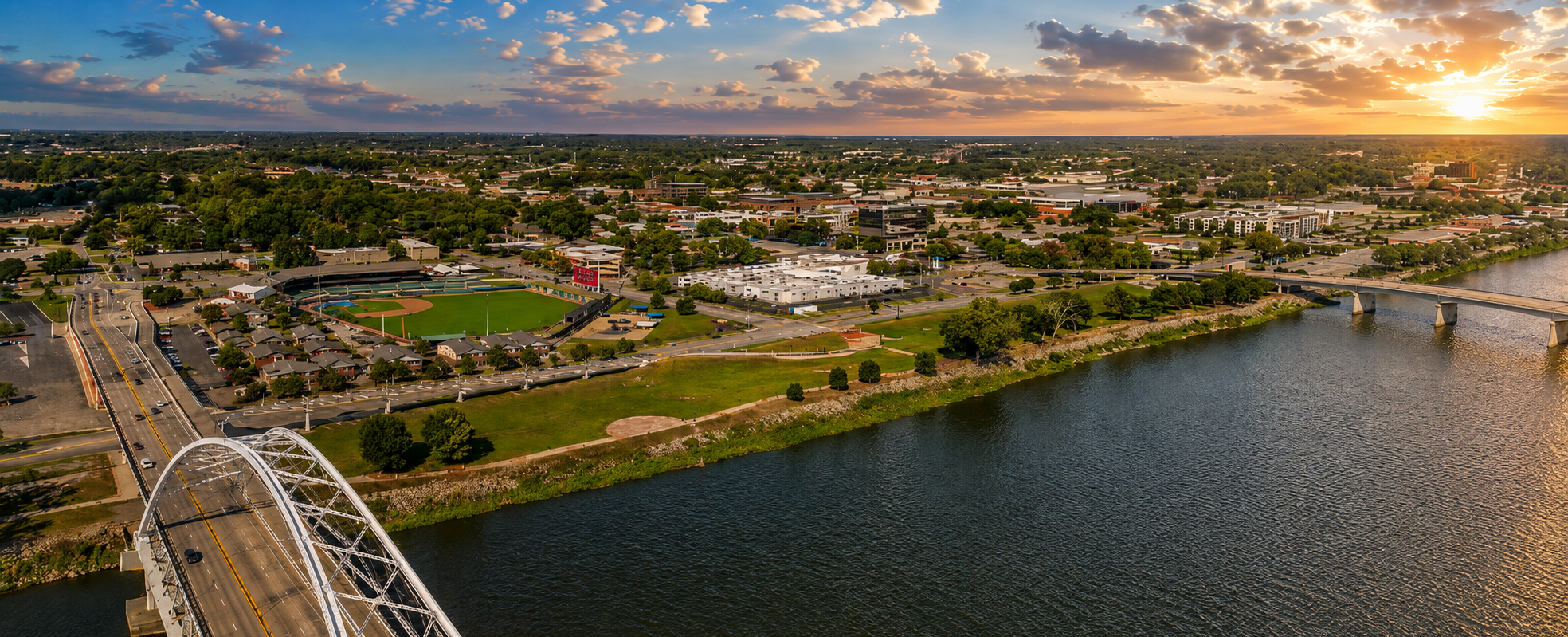
North Little Rock is located in Pulaski County on the north side of the Arkansas River. It connects directly to Little Rock by multiple bridges, including routes into downtown, the River Market area, and the broader central business district.
The city is known for Historic Argenta, Simmons Bank Arena, Dickey-Stephens Park, the Arkansas River Trail, Burns Park, The Old Mill, established neighborhoods, and convenient access to I-30, I-40, and other major Central Arkansas routes. The City of North Little Rock describes the area as being “just north of the river” with trail systems, dining, and things to do close by.
For many people, the appeal is simple: North Little Rock gives you close proximity to Little Rock without giving up a separate city identity.
What North Little Rock Is Known For
North Little Rock has several distinct personalities depending on where you are in the city. Around Argenta, the city feels urban, walkable, and entertainment-focused. Around Park Hill and Lakewood, the feel becomes more residential, established, and neighborhood-oriented. Near Burns Park and the Arkansas River Trail, the city leans into outdoor access and recreation.
That combination gives North Little Rock a broader range than many people expect. You can spend a Saturday morning walking or biking near the river, catch an Arkansas Travelers baseball game at Dickey-Stephens Park, grab dinner in Argenta, and still be minutes from home in an established neighborhood.
The city also has a strong practical side. North Little Rock’s economic development department highlights its location at the nexus of I-30 and I-40, along with access to the Arkansas River, rail, and nearby Clinton National Airport. The same city page notes that companies such as Union Pacific, Caterpillar, Ben E. Keith, L’Oréal, Tyson Foods, and First Orion have operations in North Little Rock.
Lifestyle and Local Feel
Living in North Little Rock can feel very different depending on which part of the city you are exploring.
In Argenta, the lifestyle is centered around restaurants, events, arts, entertainment, and riverfront access. The Argenta Arts District describes the area as one of North Little Rock’s oldest and most eclectic neighborhoods, with century-old buildings, restaurants, galleries, theaters, and outdoor venues.
In Park Hill, Lakewood, Indian Hills, Amboy, and other established residential areas, the city feels more settled and neighborhood-based. These areas often attract buyers who like mature trees, older homes, local character, and convenient access to both North Little Rock and Little Rock.
Then there is the outdoor side of North Little Rock. Between Burns Park, the Arkansas River Trail, the Big Dam Bridge area, neighborhood parks, sports fields, and community centers, recreation is a real part of the city’s identity.
Things to Do in North Little Rock
North Little Rock has some of the most recognizable attractions in the Little Rock metro, especially for people who enjoy live events, local restaurants, baseball, riverfront views, and outdoor recreation.
Argenta Arts District is one of the city’s strongest lifestyle anchors. It is the kind of place where you can go for dinner, live music, theater, art events, drinks, or a walk around downtown North Little Rock. It gives the city a center of gravity and helps North Little Rock feel like a city with its own downtown, not just a suburb.
Simmons Bank Arena brings major concerts, sporting events, family shows, and large-scale entertainment to the city. For many Central Arkansas residents, North Little Rock is where they go for the biggest indoor events in the metro.
Dickey-Stephens Park is home to Arkansas Travelers baseball and sits in one of the most visible parts of North Little Rock near the river and Argenta. It is one of the city’s most recognizable gathering places during baseball season.
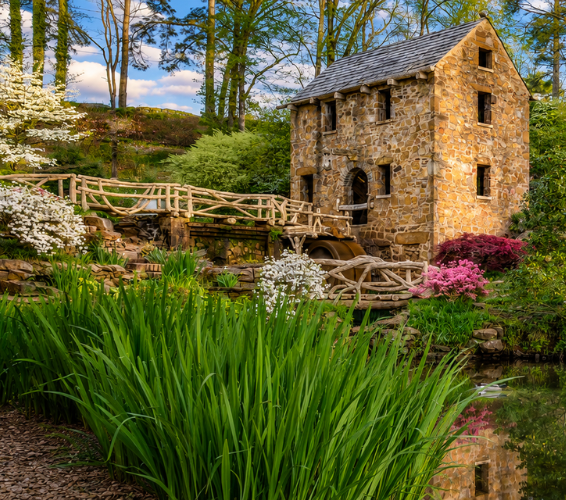
The Old Mill in Lakewood’s Pugh Memorial Park is one of the most photographed places in Central Arkansas. Built in the 1930s as a replica of an old water-powered grist mill, it was designed as part of the Lakewood area’s system of recreational lakes and open spaces.
The Arkansas Inland Maritime Museum and the riverfront area add another layer of local interest, especially for visitors, families, and history-minded residents.
Parks, Trails, and Outdoor Access
Outdoor access is one of North Little Rock’s biggest strengths.
The city’s Parks and Recreation department says North Little Rock has 39 parks and 5 community centers, giving residents plenty of options for sports, fitness, walking, playgrounds, community activities, and seasonal programming.
The largest and most important outdoor destination is Burns Park. The City of North Little Rock describes Burns Park as one of the largest municipal parks in Arkansas, with more than 1,600 acres. The park includes tennis courts, paved and unpaved trails, a dog park, soccer fields, golf, disc golf, pickleball, baseball and softball complexes, playgrounds, pavilions, an archery range, RV campgrounds, and more.
For buyers who want outdoor recreation without driving far, Burns Park is a major selling point. It is not just a small neighborhood park. It is a regional recreation destination.
North Little Rock also connects into the Arkansas River Trail system, giving residents access to one of Central Arkansas’s best walking and biking routes. The riverfront trail network is especially helpful for people who want outdoor access close to downtown, Argenta, and the river.
North Little Rock Neighborhoods and Housing Styles
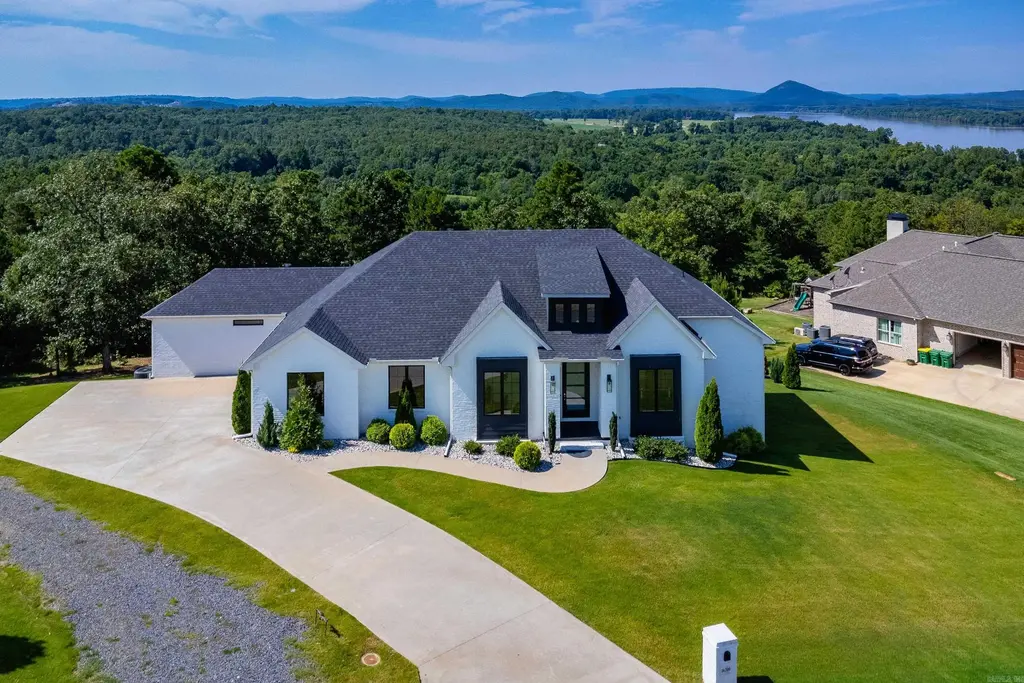
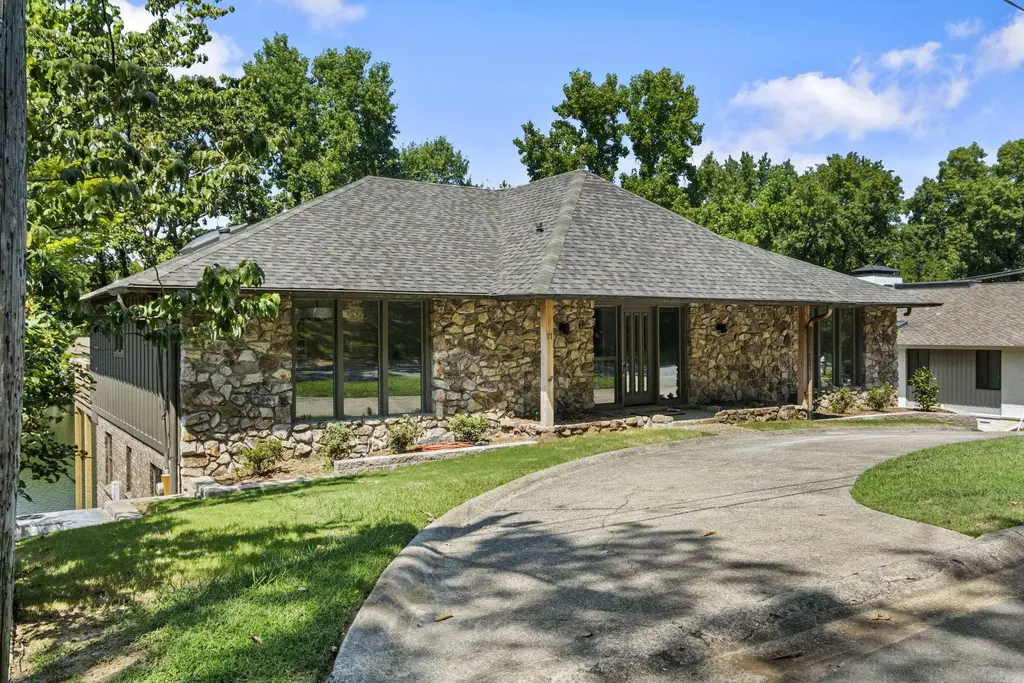
One of the best things about North Little Rock is the variety of housing. The city has older historic homes, mid-century neighborhoods, traditional single-family homes, townhomes, river-adjacent living, and suburban-style areas with larger lots in some pockets.
Park Hill
Park Hill is one of North Little Rock’s most recognizable historic residential areas. It has long been known for its hills, mature trees, older homes, and neighborhood character. For buyers who like homes with personality, Park Hill is often one of the first North Little Rock areas to understand.
The history of Park Hill is closely tied to North Little Rock’s residential growth. The Encyclopedia of Arkansas notes that Park Hill was among the areas annexed into North Little Rock in 1946, a period that helped the city grow significantly after World War II.
Lakewood
Lakewood has a different but equally important role in North Little Rock’s housing story. It developed as a planned residential area and is known for its lakes, established streets, and proximity to The Old Mill. The Old Mill itself was tied to Justin Matthews, the developer of Lakewood, and was designed as part of a broader system of recreational lakes and open spaces.
Lakewood can be appealing for buyers who like established neighborhoods, water features, local history, and convenient access to shopping, schools, parks, and main roads.
Argenta and Downtown North Little Rock
Argenta is the most urban-feeling part of North Little Rock. It is less about traditional suburban living and more about walkability, entertainment, restaurants, and access to the river. Housing options are more limited here than in larger residential areas, but Argenta is an important part of the city’s identity and one of the areas that helps North Little Rock stand out.
Indian Hills, Amboy, Levy, and Other Established Areas
North Little Rock also includes a wide range of established neighborhoods and residential pockets beyond Park Hill, Lakewood, and Argenta. Areas like Indian Hills, Amboy, Levy, and surrounding neighborhoods offer different home styles, lot sizes, price points, and commute patterns.
For buyers, this is where local guidance matters. North Little Rock is not one-size-fits-all. The right area depends on whether you want quick downtown access, a more suburban feel, older-home character, proximity to parks, or easier access to specific highways.
Schools and Education
North Little Rock is served primarily by the North Little Rock School District. The district says it has 15 campuses and describes its focus as providing a safe, healthy, supportive learning environment while helping students become future-ready.
As with any city, school attendance zones, programs, and options should be verified directly with the district. Buyers should always confirm the specific school assignment for any home they are considering, especially when comparing properties near attendance-zone boundaries.
North Little Rock is also close to several higher education options in the broader metro area, including the University of Arkansas-Pulaski Technical College, which has a major presence in North Little Rock.
Commuting and Getting Around Central Arkansas
North Little Rock is one of the most connected cities in Central Arkansas. Its location near I-30 and I-40 makes it practical for commuting around the metro, especially for people who need access to downtown Little Rock, Sherwood, Maumelle, Jacksonville, Conway, or other parts of Pulaski County.
The bridges across the Arkansas River make downtown Little Rock feel very close, especially from Argenta and the southern parts of North Little Rock. Depending on where you live in the city, you may be just a few minutes from the Little Rock side of the river.
This is one reason North Little Rock works well for people who want access to the capital city’s jobs, restaurants, hospitals, government offices, and cultural amenities, but prefer to live on the north side of the river.
Is North Little Rock a Good Fit for Your Move?
North Little Rock can be a strong fit for buyers who want convenience, established neighborhoods, outdoor access, and quick connections to the rest of Central Arkansas.
It may be especially worth considering if you like the idea of living near downtown Little Rock without necessarily living in Little Rock itself. It also makes sense for people who want access to parks and trails, enjoy local restaurants and events, or prefer neighborhoods with mature trees and a more established feel.
Like any city, North Little Rock varies from one area to another. Some parts feel urban and entertainment-driven. Some feel quiet and residential. Some are closer to parks and trails. Others are better positioned for commuting. That variety is part of what makes the city interesting, but it also means buyers should compare neighborhoods carefully.
Final Thoughts on Living in North Little Rock
North Little Rock deserves to be understood as its own city. It is close to Little Rock, but it is not simply an extension of Little Rock. It has its own downtown, its own history, its own parks, and its own residential identity.
For anyone moving to Central Arkansas, North Little Rock offers a practical and lifestyle-rich option: river access, entertainment, historic neighborhoods, major parks, regional connectivity, and plenty of everyday convenience.
As you compare cities across Central Arkansas, North Little Rock should be on the list, especially if you want the energy of the Little Rock metro with a city identity all its own.